
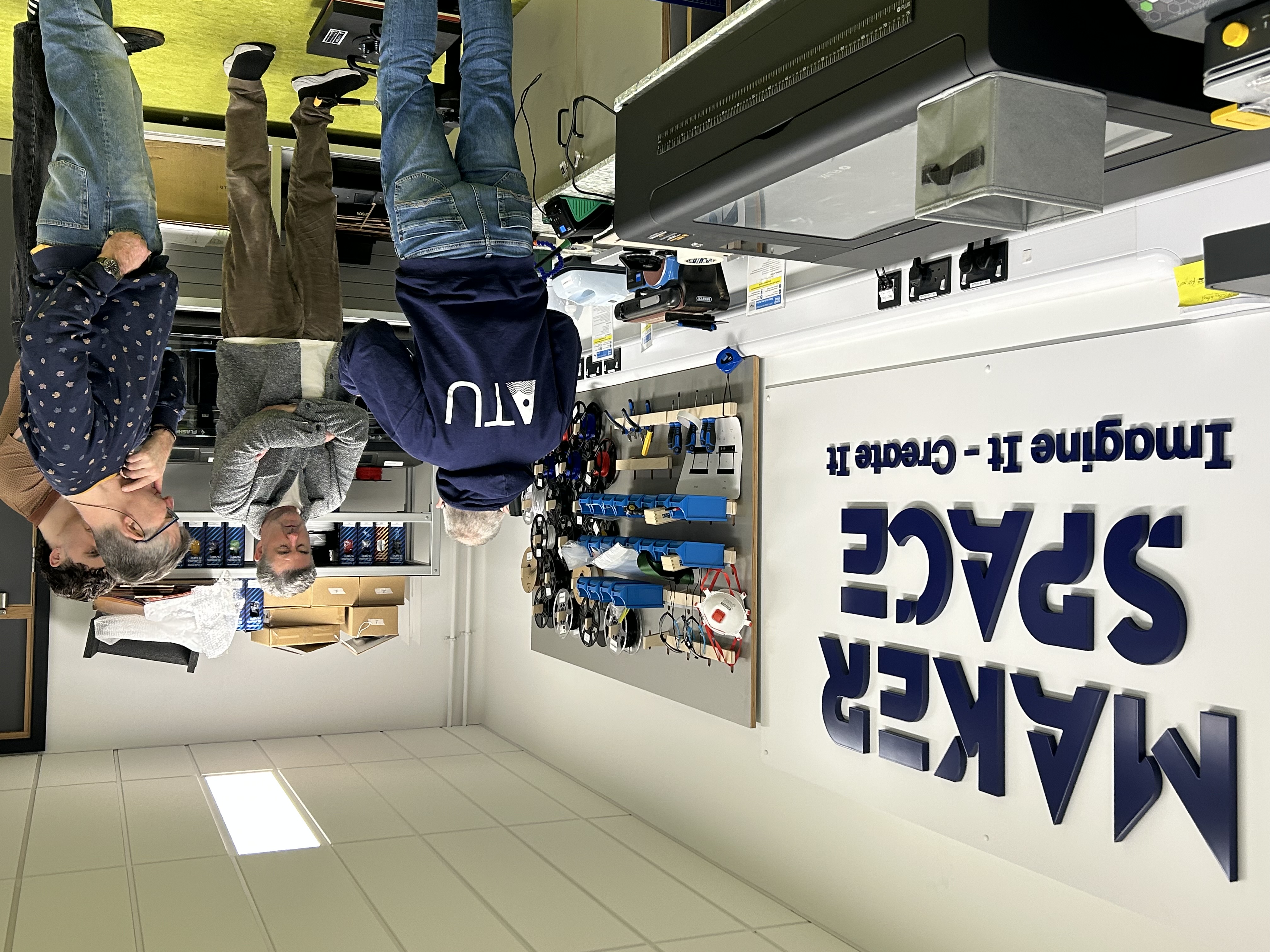
Case Study: MakerSpace
MakerSpaces combine manufacturing equipment, community, and education for the purposes of enabling community members to design, prototype, and create manufactured works that wouldn't be possible to create with the resources available to individuals working alone. While all MakerSpaces share these features, no two MakerSpaces are the same as they differ based on the communities they serve. ​
The Higher Education sector has seen a huge adoption of MakerSpaces as their benefits in terms of project-based learning, self-efficacy and transversal skills quickly became apparent to Higher Education leaders. The United States, for example, has 300 MakerSpaces in over 200 universities and the trend is upward for MakerSpaces globally. ​
MakerSpaces foster innovation, creativity and have the potential to reach a wide range of disciplines including engineering, science and the humanities.
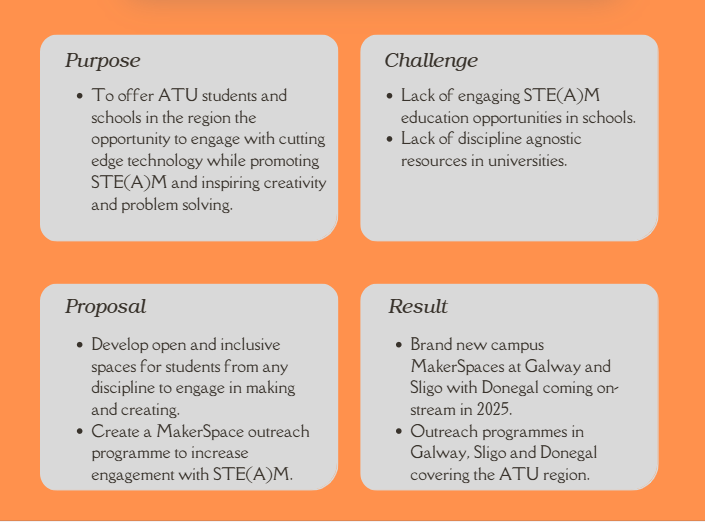
The Challenge​
Inreach ​
Traditionally, students in Higher Education operated within their own disciplines and there was little opportunity to collaborate across faculties. The equipment and workshops were often siloed within departments for the exclusive use of the various engineering, science, design or business students. The idea of fostering a ‘culture of collaborative making’ was never high on the agenda for many years but more recently Irish educational institutes are realising the value in creating these types of spaces that can provide an access point for all students.​
​
Outreach ​
There is still much to learn about how STE(A)M pathways are aligning between schools, ETBs, and Higher Education institutions in Ireland. This programme plays a crucial role in bridging that gap, creating connections between these educational levels. It also provides valuable data to understand and strengthen the pathways between secondary education and Higher Education, ensuring a more cohesive STE(A)M education ecosystem for the future.
The Solution​
Inreach​
By developing open and inclusive MakerSpaces on campus the project organically creates a community of practice via the university’s students, lecturers, educational partners, and the wider community while promoting the circular economy, supporting STE(A)M and embracing the UN Sustainable Development Goals.​
Outreach​
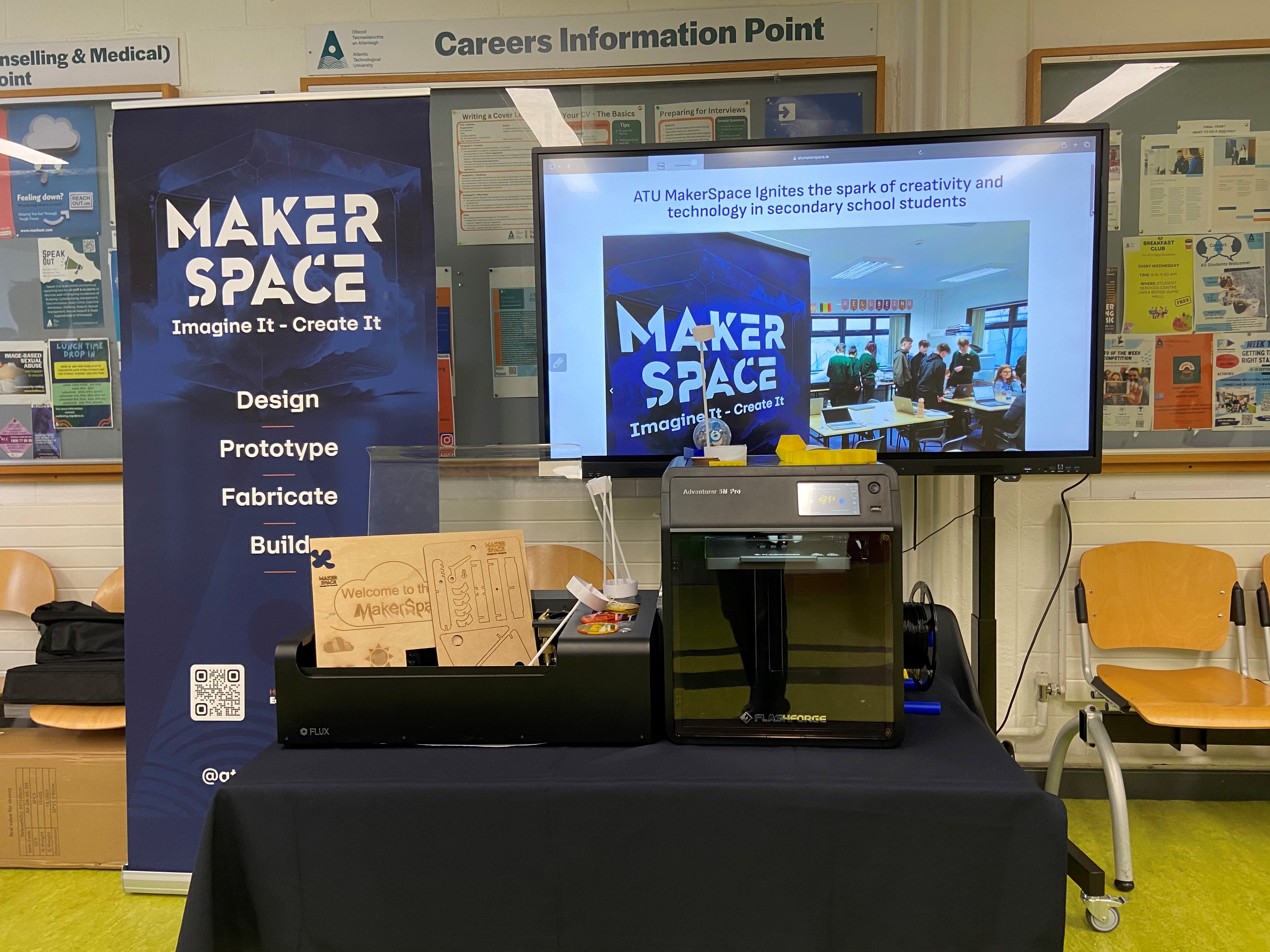
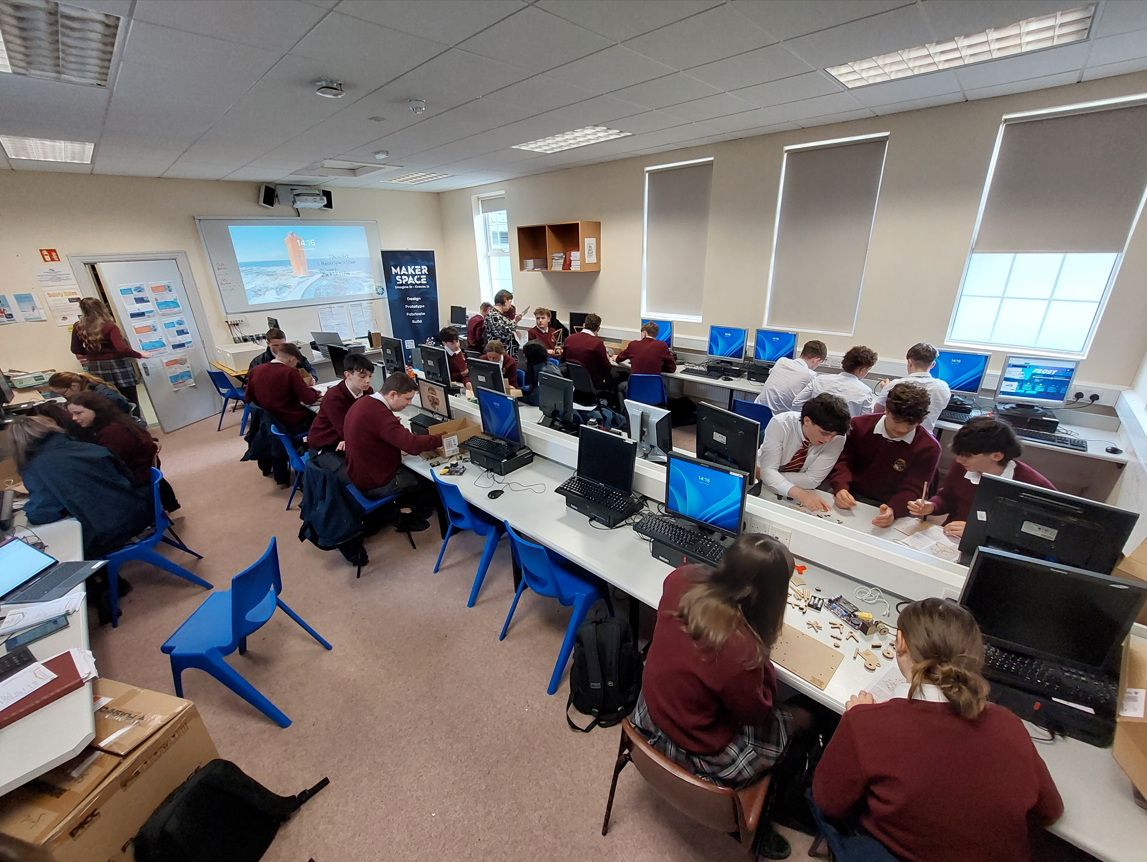
Through a range of interactive workshops with state-of-the-art equipment, such as laser cutters, 3D printers, vacuum formers, 3D scanners, and Internet of Things (IOT) Kits, students will explore fabrication, robotics, coding, and much more, empowering them to unleash their creativity while gaining invaluable technical and scientific skills. The MakerSpace electric van has enabled us to deliver these workshops to the wider community.
The Result​
Inreach​
Since its launch, the MakerSpace has seen increased usage, with over 200 students from various disciplines engaging in workshops and project development. In the past academic year, more than 50 projects have been completed in the MakerSpace, ranging from engineering prototypes to art installations and feedback from staff and students has been tremendously positive. ​
​
Outreach​
To date, ATU MakerSpace has collaborated with over 60 schools, along with diverse partners such as MSL ETB, Sligo Libraries, Foroige, and other organisations. Based on qualitative feedback there is a clear demand for our workshops from all these organisations and their students.
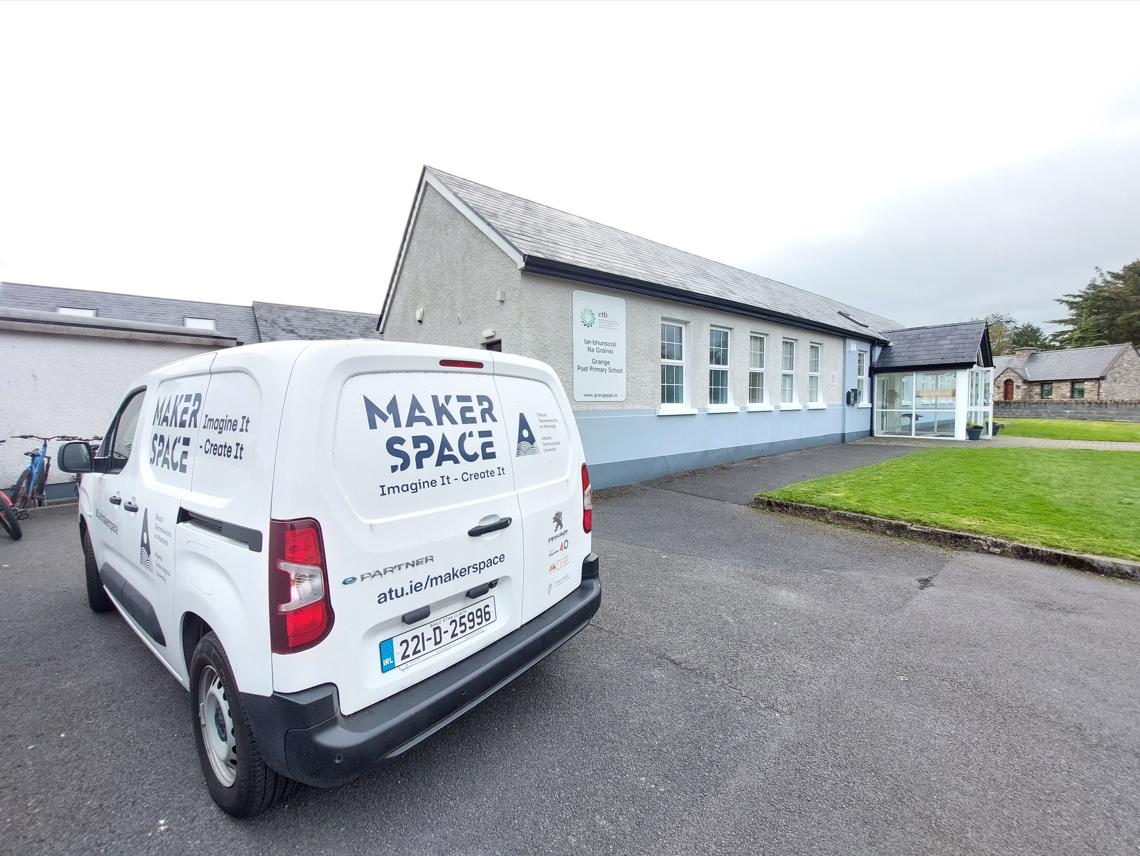
Total Workshops Delivered: 60+​
Total Schools Visited: 30+​
Total Student participants: 1200+
​
“The MakerSpace workshop was awesome; I was able to experience in a real way what future Science and Technology jobs have to offer. Hearing about the ATU and how technology is used today made me excited for the future and where science and technology will take me!”​ - Jack Donaghy, Student, Sligo Grammer School

