

Instructional Designer
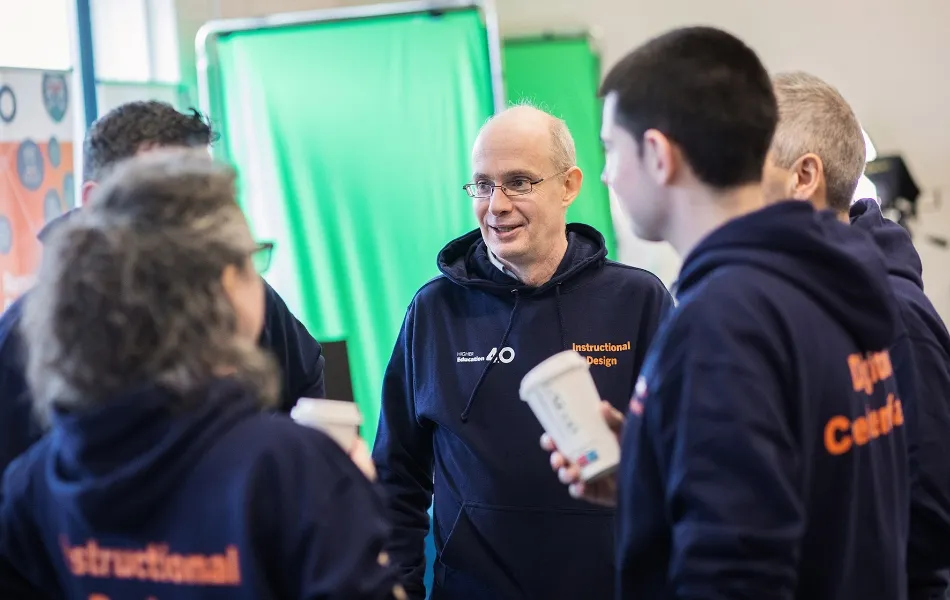
With a total of 44 projects the creation of reusable learning content has been embraced across Atlantic Technological University.
This digital content is particularly relevant in a blended learning environment as the short length and interactive format means they are highly effective at getting the message across to students enhancing their online experience.
This method of lean course production is a particularly relevant tool that will stand alone as an efficient and innovative method of content production for blended learning and play a key supporting role in a ‘flipped classroom’ teaching approach and the development of micro-credentials and MOOCs (Massive Open Online Courses).
The first major project, a preparatory course in computing for students of Data Science took place over the summer of 2022 and, since then, multiple courses from MOOCs to Mircro-credentials have been created.
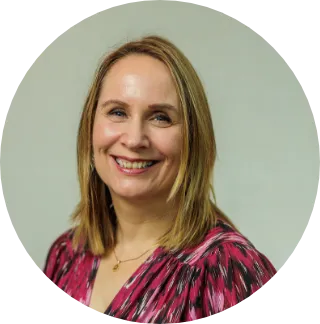
Heading up the Higher Educational 4.0 Instructional Design unit is Louise Kearins, whose team is responsible for designing accredited and non-accredited courses.
Her portfolio includes Micro-credentials and Massive Open Online Courses (MOOCs) – free short courses created by ATU and partners on diverse topics, such as environmental topics like Garden Design, Ocean Pollution, Sustainable Development Goals, and Repurposing Food in the Home.
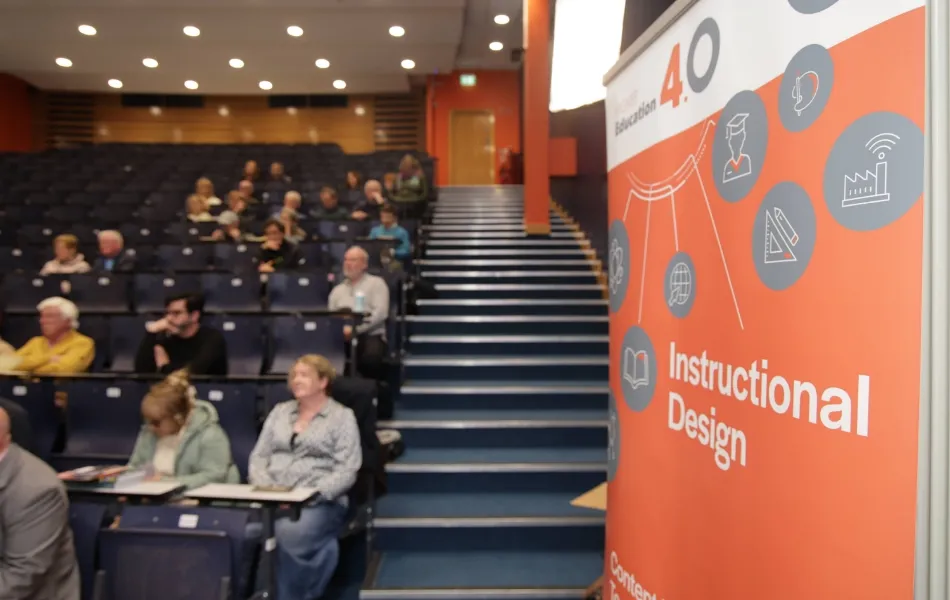
In addition, there are industry focused MOOCs such as Repurposing Surplus Food for Industry, Lean Six Sigma, Marketing, Social Robotics, Regulatory Affairs, and Mentoring for Food Entrepreneurs.
These free courses are accessible to learners of all backgrounds, from community groups and transition-year students to businesses seeking professional development opportunities. They can be accessed via the ATU free courses website (https://freecourses.atu.ie/).
Under Louise’s guidance, the content development team has embraced innovative pedagogical and instructional design approaches, ensuring courses are both engaging and impactful. With accessibility in mind, course materials include transcriptions, captions, and alternative image descriptions.
The courses mix text, audio, video, and interactive activities to keep learners engaged. On completion, students receive digital badges or certificates, recognising their achievements.
