
Anatomy & Physiology interactive online lessons
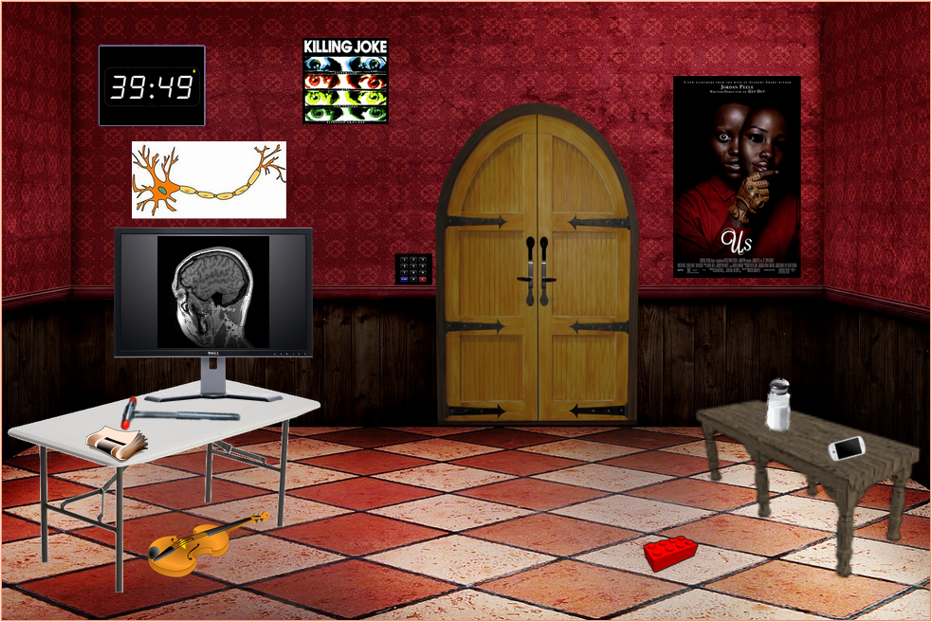
Digital escape rooms incorporated into project
Anatomy & Physiology interactive online lessons aimed to create reusable, accessible and engaging learning resources for an introductory anatomy and physiology module. The project focused on developing interactive online physiology lessons and digital escape rooms to support student learning, collaboration and community building in the classroom.
The importance of accessible and engaging learning resources is well recognised, particularly for supporting students with diverse physical, cognitive and learning abilities. The project sought to provide an inclusive learning environment that enhances comprehension, retention and equity in education through the principles of Universal Design for Learning.
The Challenge
Students participating in the Irish Survey of Student Engagement frequently requested learning environments that were more interactive, engaging and accessible. Research also demonstrates a correlation between student engagement with online content and success in modules.
The challenge for this project was to create learning resources that cater for students of all abilities while fostering community and collaboration in the classroom. To address this challenge, the project adopted the principles of Universal Design for Learning, ensuring multiple means of engagement, representation, action and expression within the learning resources.
The Solution
The project developed online pre-class lessons using Articulate Storyline covering fundamental topics for introductory physiology modules. The lessons included interactive visual artefacts, embedded quizzes and options for learners to either read content or watch videos covering the same material.
The “wordy” nature of the original content was removed to improve accessibility and engagement.
In addition, digital escape room activities were developed as group-based revision exercises for use in class. Four escape rooms were created around the themes of tissue types, the cardiovascular system, the nervous system and the digestive system.
The activities combined Google Sites, Google Slides and Google Forms, with artefacts functioning as clues, distractors and links to additional media such as jigsaws, crosswords and videos.
The Result
The project resulted in the creation of 24 interactive online physiology lessons and four digital escape rooms. Student feedback on the pre-class lessons was highly positive, with 90% of learners liking the choice to read or watch content.
Students highlighted the accessibility of the notes and the usefulness of the embedded questions in supporting understanding and learning.
The digital escape rooms were also well received. 91% of participants found the activities engaging; 86% agreed they supported learning; and 82% wanted more similar activities.
In addition, 86% believed the escape rooms encouraged collaboration with peers, while 82% agreed the activities helped create a sense of community in the classroom. Overall, 90% of participants found the digital escape rooms accessible.

